
Why a Web Version of Phantom Wallet Changes How You Use Solana
Whoa! This felt like a small shift at first. I opened a browser and the wallet was there, ready to connect. My instinct said this would be slower than the extension, but it wasn’t. In fact, it started a chain of thoughts about convenience versus control that I couldn’t shake—especially for folks who hop between devices all day.
Really? A browser-based wallet for Solana that actually behaves. It connects to dApps without the tug-of-war between tabs and extensions. The UX is smoother for quick interactions, and that matters when you’re making lots of tiny transactions. Longer-term though, there are tradeoffs in threat models and persistence that deserve careful attention.
Hmm… I tried the web flow late one night. Initially I thought web wallets were just sugar on top of the extension model, but then I realized they solve a real pain: device hopping. Actually, wait—let me rephrase that—it’s not a panacea, but it shines when you’re on a library machine or using a guest laptop, and you want to interact with a Solana dApp without installing anything.
Okay, so check this out—dApps on Solana are fast, and the wallet’s integration layer matters a lot. Most web wallets use window.solana or the wallet standard to handshake; that standard keeps things predictable for developers. On the other hand, each integration point opens another surface for phishing or UX mistakes, and that part bugs me because users often click before they read very very carefully.
Here’s the thing. You still get the same cryptographic signing whether it’s extension, mobile, or web. The signing flow should feel familiar: request, sign, broadcast. But the difference is where the key material lives during that session, and how long an auth token is valid—those details change the risk profile. So think of web wallets as ephemeral foyers into your funds rather than permanent keys under the floorboards.
Whoa! I almost forgot to mention staking during my first run-through. Staking SOL from a web wallet is surprisingly straightforward, especially for folks used to the mobile flow. There are usually two UX patterns: direct delegation inside the wallet or a redirect to a web staking dApp that abstracts validators. Though actually, the experience varies across providers and sometimes you need to wait for epoch boundaries to see rewards show up (that part can be confusing).
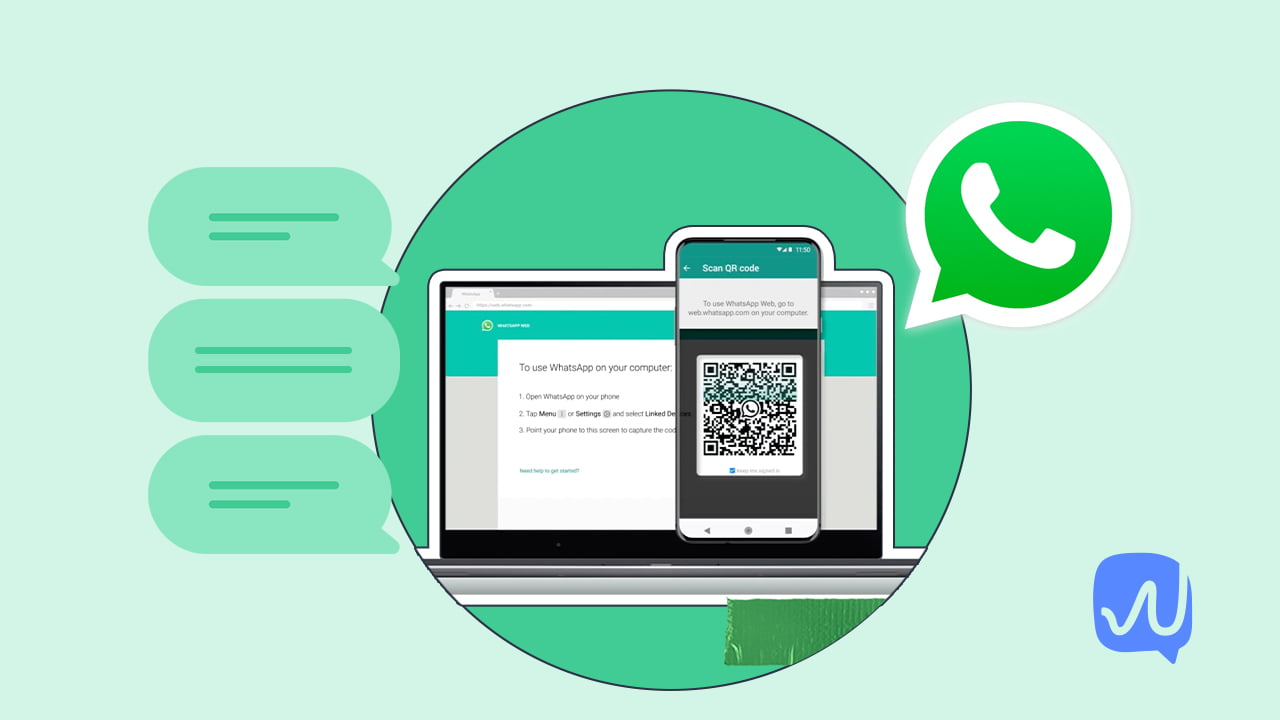
Really, though—if you’re planning to stake, check fees and validator reputations. Delegation is easy, yes, but validator performance impacts your rewards and maybe your patience. On one hand, low-fee validators are tempting; on the other hand, uptime and commission histories matter if you want predictable returns. My bias is toward established validators, though I’m not 100% rigid about it—some newer validators deserve a look if they have transparent operations.
Whoa! Connecting to dApps felt nearly instant in most cases. Developers on Solana have optimized RPCs and transaction sizes to keep things snappy, and that benefits web wallets directly. However, remember that web wallets often rely on browser storage and session tokens, which raises questions around shared machines and session cleanup. If you leave a session open on a public computer, it’s a self-inflicted vulnerability, and honestly, that scares me more than the typical network risk.
Hmm… phishing is still the top vector for losses. Fake sites, copycat dApps, and rogue browser extensions are everywhere. One trick I use: always verify the domain, then the contract address, then the signature dialog itself before approving. This three-step check feels tedious, but it prevents the dumb mistakes that lead to irreversible losses. Also, I sometimes test with a tiny amount first—send a fraction, confirm behavior, then proceed.
Try the browser experience with phantom wallet
If you want to try a web-first Solana wallet, consider the phantom wallet for a feel of how the ecosystem flows. It tends to be developer-friendly, connects to popular dApps quickly, and offers a familiar signing UX that matches extension and mobile patterns. That said, every wallet has limits—session management, seed export controls, and staking flows differ—so treat the web version as one more tool in your toolkit, not the only one.
Whoa! Little habits make a big difference. Lock your wallet after use, revoke inactive authorizations, and periodically audit connected dApps. Some sites ask for long-lived permissions that you may never need again. Clean those up—it’s like pruning a bonsai but less zen and more security-focused.
Initially I thought cold storage always meant clunky UX, but then I realized hybrid flows work well. You can keep a hardware wallet as your root key and use a browser wallet for day-to-day interactions, signing via WebAuthn or USB when needed. On one hand it’s clunkier; on the other hand it’s the safest balance for power users who value both convenience and custody separation.
Really, delegation through a web interface can be surprisingly transparent. Good UIs show expected rewards, cooldown periods, and validator commission changes. Bad UIs hide these things or bury them behind ambiguous buttons. If you stake through a dApp, check whether they simulate transactions for you—simulations catch common errors before you sign and can save you a lot of gas and grief.
Whoa! Performance considerations matter for heavy dApp users. If you’re running automated flows or interacting with orderbooks, your choice of RPC and wallet latency affects outcomes. Solana’s throughput advantage shrinks if your RPC is throttled or your wallet adds latency. So monitor performance, switch RPC endpoints if needed, and consider running your own node if you depend on deterministic timings.
Hmm… privacy is an under-discussed topic with web wallets. Browser-based sessions can leak metadata like IP addresses or referrer headers to dApps and analytics providers. Using a VPN or privacy-conscious browser setup reduces that leakage, but it doesn’t fix all of it. I’m biased toward minimizing metadata exposure where practical, even if it’s overkill for casual users.
Wow, I could keep listing tips. But here’s a practical checklist to take away. First, always verify domains and contract addresses before signing. Second, use hardware keys for large holdings where possible. Third, clean up permissions and sessions periodically. Fourth, when staking, compare validator performance and commission not just by headline APY but by historical uptime. Those four moves drastically lower surprise risks.
FAQs
Is a web wallet as secure as an extension?
Not exactly. Security depends on where key material and session tokens live. Extensions can reduce certain web attack surfaces, while web wallets increase convenience but require strict session hygiene. Use hardware keys for high-value accounts to mitigate risk.
Can I stake SOL from a browser wallet?
Yes. Most web wallets and linked dApps support delegation to validators. Expect an epoch delay for rewards showing up, and double-check validator commission and uptime before delegating. Small test amounts are smart when trying a new interface.